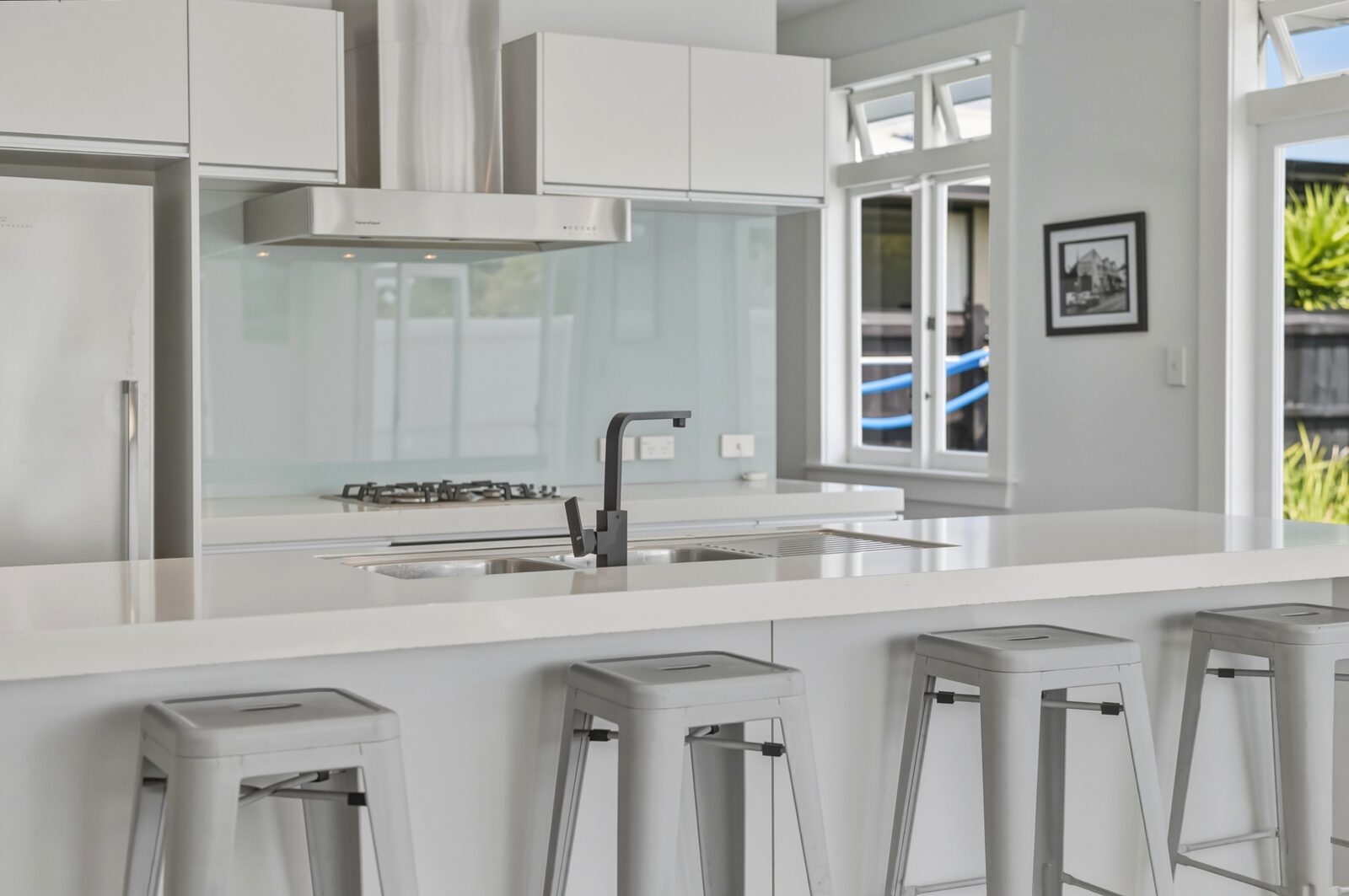
Home staging before an Auckland auction has a practical job. It should help buyers understand the home quickly, see how its rooms work and decide whether to inspect. The furniture and styling matter only when they make that decision easier.
That makes staging part of the campaign plan, not a decorative task at the end of it. The property still has to be priced, photographed, marketed and shown well. Presentation supports those decisions by giving the campaign a clear visual story from the first listing image through to auction day.
Start with what a buyer needs to understand
Before choosing furniture, identify the questions the empty or existing rooms leave unanswered. Can a full dining table fit beside the kitchen? Is the smaller bedroom useful as a nursery, office or genuine single room? Where does the main living area begin and end? A buyer should not need to solve those questions while walking through the first open home.
Scale is more useful than decoration. A sofa that is too small can make a generous room feel oddly vacant. Oversized furniture can make the same space look constrained. The right pieces establish proportion without filling every wall. They also show circulation: how someone moves from the entrance to the living area, or from the kitchen to an outdoor space.
This is where a staging plan should be selective. A room that already reads clearly may need cleaning, editing and better placement rather than a full replacement. A vacant or awkward area may need more help. The recommendation should follow the property, not a standard furniture package.
Plan for the listing photographs first
For most buyers, the first viewing happens on a screen. The opening images need to explain the strongest spaces in a sensible order. Home staging in Auckland therefore has to work through the camera as well as in person.
A wide photograph can flatten depth or expose visual clutter that feels minor in the room. Furniture placement should leave clean sightlines, while colour and texture need enough contrast to give the image shape. Small objects are rarely the answer. A few deliberate pieces usually photograph better than shelves and surfaces filled for effect.
The image sequence matters too. If the kitchen and main living area are the reason to inspect, those spaces should carry the early part of the listing. Bedrooms still need to establish scale, but they do not need to compete for attention. Staging should help the agent build a coherent sequence rather than produce a set of unrelated styled rooms.
Work backwards from campaign launch
An auction campaign has fixed moments: photography, listing launch, open homes and the auction itself. Staging needs to be installed before the photographer arrives, with cleaning, small repairs and garden work completed first. If those jobs are still moving around the property on photography day, the campaign starts with compromises that are difficult to correct later.
Build one schedule covering access, cleaning, furniture delivery, styling, photography and the first open home. Confirm who holds the keys and who can make a decision if a room needs to change on installation day. Also confirm the hire period against the auction timetable, including what happens if settlement or the campaign takes longer than expected.
Inside Meros Group, Spaces home staging and Carpet Lab carpet cleaning sit alongside the sales operation. That structure is useful when the work is sequenced from one campaign date. The seller still deserves a clear scope and price for each service, but the timetable should have one owner.
Know when full staging is worth considering
Vacant homes are the clearest candidates because empty rooms give buyers few clues about scale or purpose. New builds can have the same problem, particularly when similar white rooms blur together online. A furnished home may also benefit when the existing layout hides a useful space, the furniture is out of scale, or day-to-day belongings dominate the photographs.
Full staging is not the only option. Editing existing furniture, adding selected pieces or concentrating on the living areas may answer the buyer’s main questions at a lower cost. Cleaning and maintenance can have more value than styling when presentation is being held back by marked carpet, tired paintwork or unfinished repairs.
Meros records a revenue lift of more than 20 percent across properties using staging and related presentation services in its portfolio. That group-level result is useful evidence, but it is not a promise about one sale. Property, price, buyer demand and the quality of the wider campaign still influence the auction result. Our earlier article on the economics of Auckland home staging explains how to assess the cost against the opportunity.
Judge the campaign before auction day
The final bid is not the first useful signal. Ask the agent what buyers are doing after they see the listing and attend an open home. Are they returning, requesting documents and engaging with the sale process? Which spaces create questions? If several buyers misunderstand the same room, the campaign may need a clearer photograph, floor plan or explanation.
Presentation cannot repair a price that is out of step with the market, and it cannot create a buyer pool that is not there. It can give the right buyers a clearer reason to engage. That distinction keeps the staging decision grounded. The aim is a campaign that is easy to understand and inspect, with fewer avoidable doubts between the first image and the auction.
Local sales knowledge matters at this point. The group has held the leading market share in Pt Chevalier since January 2025, and our article on selling in Pt Chevalier explains why campaign density and current buyer feedback matter alongside presentation.
Questions to settle before approving the quote
Ask which rooms need staging and what buyer question each room is meant to answer. Confirm what is included, the installation and removal dates, the hire period and any extension cost. Ask whether cleaning, repairs and photography are already scheduled around the installation. Then ask the agent how the presentation plan connects to the listing image order and the first open home.
A useful proposal should be specific to the property. It should explain what will change, when the work will happen and how the result supports the campaign. A list of furniture without that reasoning is only an inventory.
Make presentation part of the sale plan
The best time to decide on staging is before photography is booked. That leaves room to choose the right scope, coordinate the practical work and build the listing around what buyers will actually see.
If you are preparing an Auckland property for auction, review the group’s measured property results, then talk to the sales and presentation team while the campaign calendar can still be shaped.