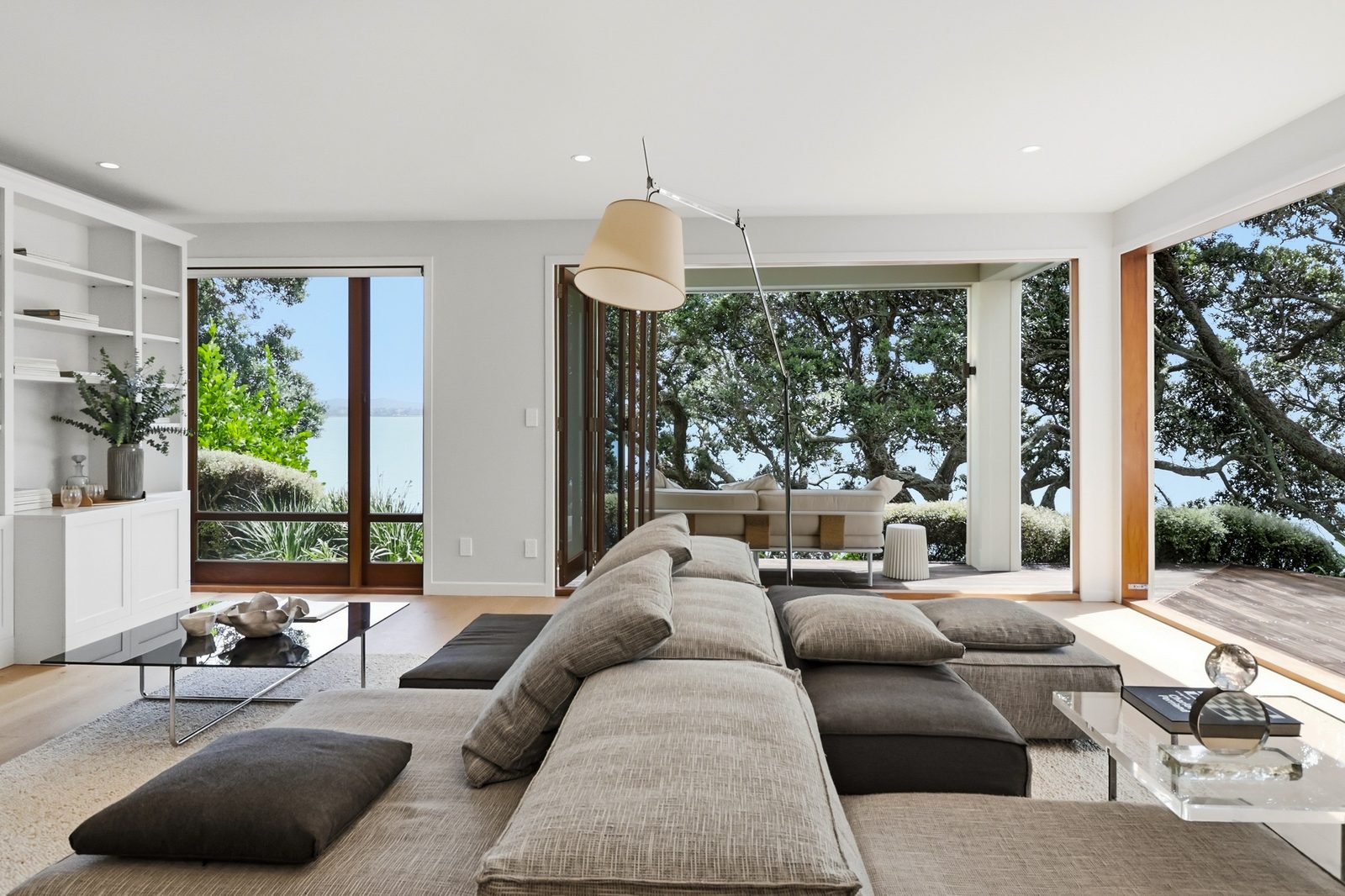
Across our portfolio, properties that go through staging and related presentation services sell for more than 20 percent more in revenue terms than those that don’t. That number gets quoted often enough that it has stopped sounding like a real figure and started sounding like a marketing line. It isn’t. It’s an average pulled from our own sales and staging data across hundreds of Auckland transactions, and it’s worth pulling apart, because the number hides more than it explains.
Staging costs money before a sale happens and returns more after it does, and the gap between those two moments is where most sellers, and a fair few agents, lose the thread. Here’s how the economics actually work.
What the 20 percent is actually measuring
The figure blends two separate effects: a higher sale price on the property itself, and a shorter time on market, which matters because every extra week a listing sits unsold quietly signals to buyers that something is wrong with it. Staging attacks both at once. A furnished, styled home photographs better, which lifts the volume and quality of the first weekend’s enquiries, and a strong opening weekend is most of the leverage in an Auckland campaign. Buyers who see a crowded first open home assume competition exists, and act like it does.
Most agencies that recommend staging are recommending a service run by someone else entirely, paid for separately, measured by no one. We can put a number on it because Spaces, our staging division, and our sales division run off the same client base and the same records. That’s what lets us show a seller what staging actually returned on the last few hundred properties that went through both, rather than what we believe about staging in general.
Why an empty room undersells
Most Auckland buyers cannot picture a room’s proportions from bare walls and carpet. Give them furniture at the right scale and they read the space correctly: where a bed fits, whether a lounge feels generous or cramped, what the light does at 4pm. Without that anchor, buyers default to a smaller mental version of the room than it actually is, and price it accordingly.
The effect compounds in photography, which is where most buyers make their first, and often only, decision about whether to inspect at all. A styled living room photographs as a lifestyle. An empty one photographs as a floor plan. Auction and deadline sale campaigns, which dominate the Auckland market, live and die on that first digital impression, because the whole point of the format is compressing decisions into a short, competitive window.
The cost side, honestly stated
Staging is not free and anyone telling you it pays for itself on every property is selling you something. It costs furniture hire, styling labour, and time, and on a property that was always going to sell quickly and well regardless (a well presented family home in a tight, high demand pocket, for instance) the marginal lift can be modest against the cost. The economics work best where the gap between the property’s real condition and its perceived condition is largest: vacant homes, tenanted properties handed back rough, deceased estates, and new builds with nothing in them yet. That’s also, not coincidentally, where most of Auckland’s staging demand actually sits.
The other cost that gets missed is timing. Staging furniture has to be booked, delivered, and set before photography, which means it has to be planned into the campaign from the start rather than bolted on when the listing already feels flat. Sellers who decide they need staging after the first open home has underwhelmed are paying for a rescue, not a plan, and rescues cost more and work less well.
Why it works differently inside one group
Run as a separate business, staging is a vendor relationship an agent manages on your behalf, with its own quoting, its own scheduling, and its own incentive to sell you the service regardless of fit. Run as a division of the same company that’s selling your home, it becomes a scheduling decision made against the actual campaign date, by people who see the commission outcome too. Our stylists know the settlement timeline before they book the van, because it’s the same file. Carpet Lab, our cleaning division, runs the same way for properties that need presentation help but not full staging: a professional clean ahead of photography is the cheapest lift available and it’s often the one sellers skip because no one owns the job of suggesting it.
That’s the same integration argument we make about property management for developers: the value in a property transaction leaks out through the handoffs between separate providers, not through any one provider doing bad work. Fixing that isn’t about any single service being better. It’s about removing the seams.
Questions worth asking before you stage
Ask your agent what data they have on staged versus unstaged results, not what they believe about staging in general. Ask who pays and when, and whether the cost is fixed or scales with how long the property takes to sell. Ask whether the stylist has seen the property in person or is quoting from photos, because scale and light don’t translate well to a phone screen. And ask what happens to the furniture and the invoice if the property sells in the first week, because a good staging arrangement should cost less when the campaign goes well, not the same regardless.
A straight answer to all four is a reasonable sign the person recommending staging to you actually understands its economics, rather than reciting a number they read somewhere.
The short version
Staging is not a universal yes. It’s a tool that earns its cost fastest on properties where perception and reality are furthest apart, and earns it slowest where a home was already going to present well. What changes the equation is having sales, staging, and cleaning inside the same group, measured against the same outcomes, so the recommendation you get is based on what moved the last few hundred properties, not on what a separate vendor needed to sell that month. Our results page has the fuller numbers behind that 20 percent. If you’re weighing up whether to stage before you list, read our practical guide to home staging before an Auckland auction, then talk to us before the photography is booked, because that’s the point in the campaign where the decision still has room to earn its keep.