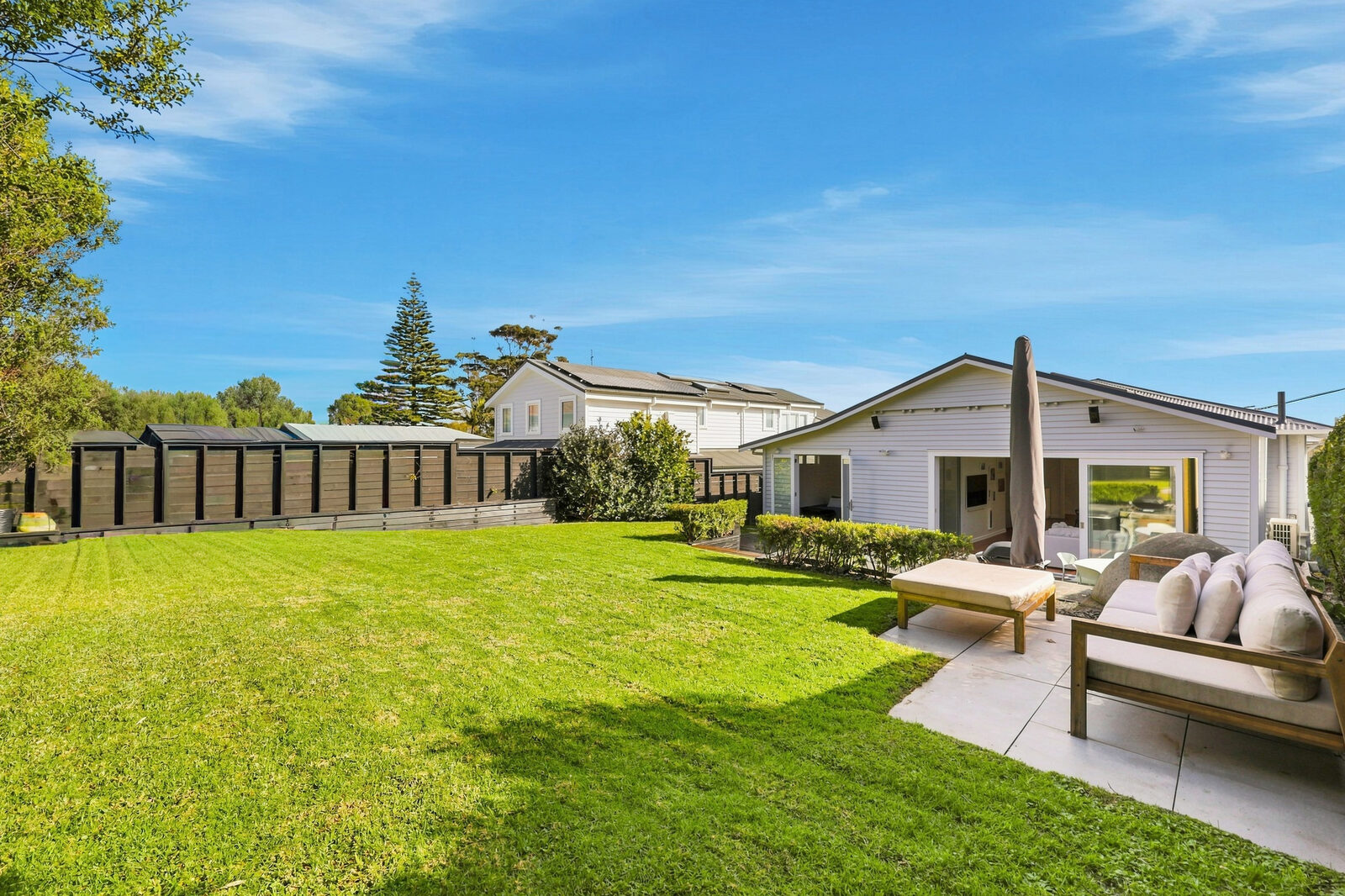
Overseas property owners need a monthly management report that makes the property understandable from a distance. A rent statement is part of that record, but it cannot show the whole position. The owner also needs to see what changed during the month, which work remains open and whether a decision is waiting for them.
The best test is simple: could the owner read the report in another time zone and know what deserves attention without first arranging a call? Our wider guide to property management from overseas explains why distance changes the information requirement. This checklist looks closely at the monthly report itself.
Begin with the reporting period and the current position
Every report should identify the property, the period covered and the date the information was prepared. It should name the person responsible for the management record and state whether the tenancy, rent position or open work changed during that period. This gives the owner a stable point from which to read everything that follows.
A short opening summary is useful when it deals in exceptions rather than reassurance. It might direct the owner to an overdue payment, a tenancy date that needs planning, an inspection finding or a repair awaiting approval. If nothing requires a decision, the report should say that clearly and still show the underlying records.
Make the money traceable
The financial section should reconcile the reporting period. Show rent recorded, management fees, invoices, other charges and the amount paid to the owner. Each deduction should have a description and, where relevant, an invoice or source record that the owner can retrieve without asking the manager to search for it later.
If rent is not in the expected position, a balance alone is not enough. State the date to which rent is recorded, what follow-up has occurred and the next review point. Keep fact separate from interpretation. The report can show that a payment is outstanding without guessing why it has not arrived or promising an outcome that has not occurred.
Owners should also be able to distinguish recurring costs from unusual work. A clear label helps them compare one month with another and prepare records for their accountant or adviser. The management report should organise the source material, not replace financial or tax advice.
Show the tenancy timeline before a date becomes urgent
A useful report carries forward the dates that will shape the next few months. Record the current tenancy term, any notice or review date already established in the source documents, the next planned inspection and any agreed action that has not yet been completed. The point is to make upcoming work visible while there is still time to plan it.
If a renewal, rent review or change of tenancy is being considered, explain the stage reached and the decision needed. Link the supporting evidence rather than reducing the issue to a one-line recommendation. For example, an updated Auckland rental appraisal should show the comparisons and assumptions behind its range, not only the proposed weekly figure.
Report property condition with dated evidence
An owner living overseas cannot casually view the property, so inspection information needs to stand on its own. When an inspection occurred during the month, record its date, scope and material findings. Photographs should be dated, clearly connected to the relevant room or issue and handled with appropriate care for the occupants’ privacy.
A report should separate an observation from a completed action. Noting a damaged fitting is different from confirming that a repair was approved, booked or finished. Use plain status labels and carry unresolved findings into the next report until there is a final record. This prevents an issue disappearing simply because the inspection month has passed.
Where no inspection occurred, say when the next one is planned if that date has been set. Do not reuse old photographs in a way that makes them look current. The owner should always be able to tell which evidence belongs to this reporting period.
Turn maintenance into a live register
Maintenance is easier to understand when every item has a consistent record. Give the issue a reference, record when it was raised, show the latest action and name who is expected to act next. Attach the relevant quote, approval, invoice, warranty or completion photograph to that item.
Separate open, completed and monitored work. An open item should show any access, cost or timing constraint already known. A completed item should have evidence of what was done and when. A monitored issue should state what will trigger the next action. These distinctions let an overseas owner understand the work without reading a chain of forwarded emails.
If a cost needs approval, put the decision near the supporting information and give it a useful deadline. A message marked urgent without a quote, explanation or response date pushes the information gap back onto the owner.
Put decisions and exceptions in one place
A separate decisions section is often the most useful part of the report. It should collect only matters that need the owner’s instruction, show the available information and identify the consequence of waiting where that consequence is known. It should not mix finished work with requests that still need a response.
Exceptions deserve the same discipline. If a source document is missing, a figure does not reconcile or an agreed date has moved, record the gap and the next attempt to resolve it. Our property manager handover checklist uses the same principle: a visible gap can be assigned and followed up, while a hidden gap tends to surface at the worst time.
Design the report for another time zone
Overseas property owners may read the report hours after the Auckland team has finished work. Use dates rather than relative phrases such as “yesterday”, identify the New Zealand time zone for deadlines and keep links accessible for long enough to support later review. Sensitive tenancy and access information should use an appropriate secure channel, not an ordinary report attachment sent for convenience.
Set a predictable reporting date and explain what happens when important information falls outside it. An urgent maintenance issue should not wait for the monthly report. Equally, the report should capture the issue and its status afterwards so the formal record remains complete.
Ask to see the reporting structure before appointing a manager
Ask a prospective manager for a blank template or privacy-safe sample. Check whether the report distinguishes facts, recommendations, approvals and completed actions. Find out who reviews it, how corrections are recorded and whether you can retrieve the underlying invoices, inspection records and correspondence that support it.
Also ask how the manager handles a quiet month. A useful report should not manufacture activity, but it should still confirm the rent position, current tenancy dates, open work and next scheduled event. Consistency matters because overseas ownership removes many of the informal checks available to someone nearby.
A monthly report should lead to the next action
The finished report should leave the owner with a reliable current position and a short list of anything requiring attention. Money should reconcile to source records, tenancy dates should point forward, condition evidence should be current and open work should retain a named next step.
Meros has dedicated International Management within its wider Auckland property management operation. If you own an Auckland property from overseas, send the team an enquiry with the property type, tenancy position and the reporting question you want answered. Do not include sensitive tenancy documents in the first message.