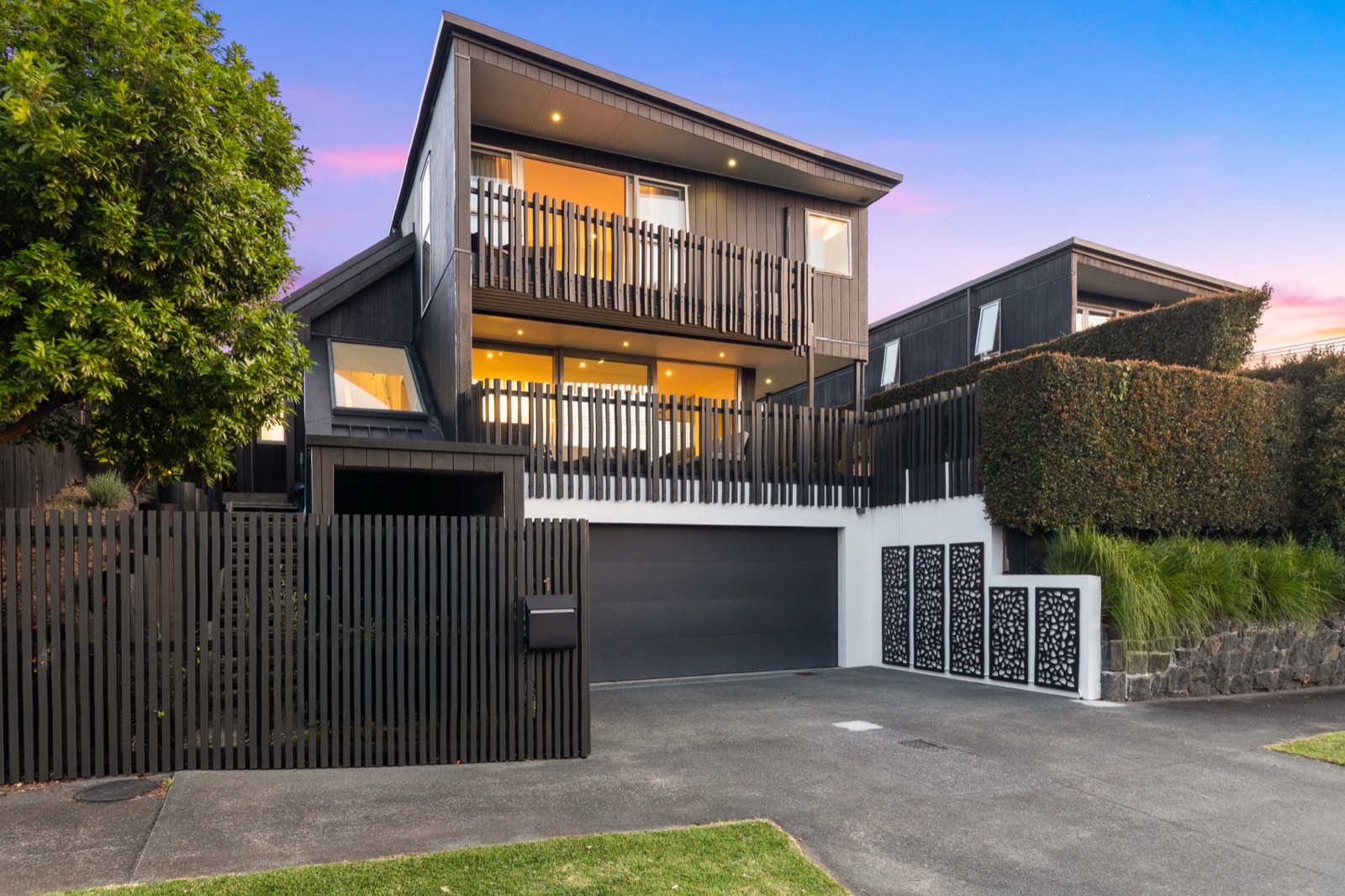
How does Meros Group connect the property lifecycle?
Meros Group brings Auckland residential property management and Professionals real estate sales together with Spaces home staging, Carpet Lab cleaning and in-house property technology. Owners can coordinate letting, ongoing management and preparation for sale through the group.
Scout is Meros Group’s in-house property intelligence platform. It reads the group’s data to help the team identify owner and buyer opportunities and records that need attention. For residential developments and portfolios, agree the letting plan, responsibilities and owner reporting with the management team. Technology supports the people doing the work; the service proposal should explain what is included for your properties.
Most property owners in New Zealand run a relay team they never chose. An agent sells the house. A property manager from a different company finds the tenants. A staging firm dresses it for market, a cleaner turns it over between tenancies, and a software platform none of them built holds the records. Every baton change loses information, time, and usually money, and the only person carrying all of it is the owner.
We built Meros Group to remove the baton changes. This post explains what an integrated property group actually is, why we think it is the right structure for New Zealand property, and what it changes in practice for the people who own the properties.
Integration is a structure, not a slogan
Plenty of firms describe themselves as full service. Look closely and it usually means a sales office with a property management desk bolted on, or a franchise network where the offices share a logo and a coffee machine and little else. The services sit side by side. They do not work as one thing.
An integrated property group is a different animal: one owner, one set of systems, and every service in the property lifecycle run as a division of the same company. At Meros that means four divisions under one roof. Real estate sales operate under the Professionals brand. Property management runs a residential rent roll with dedicated arms for international owners and corporate clients. Spaces handles home staging and Carpet Lab keeps properties clean and ready. A property technology division builds Scout, the platform the whole group runs on.
The test of integration is simple: when work passes from one service to the next, does it leave the company? In a referral network, it does, along with accountability. In an integrated group, the handoff is internal. The manager who has looked after a property for eight years briefs the salesperson down the hall, the stager schedules around the photographer because they share a calendar, and the owner has one number to call the whole way through.
It started with a rent roll
Meros began with property management in Auckland in 2010. Fifteen years of running rentals is an education you cannot buy: you learn exactly where deals slow down, where costs hide, and where owners get let down. Each division exists because the rent roll kept demanding it. We stopped referring sales out and built a sales team. We stopped booking third party stagers and built Spaces. We could not find software that treated a property group as one business, so we built Scout.
That order matters. A sales agency that adds a management desk is chasing recurring revenue to smooth its cashflow. A management company that builds a sales team is following its owners into the biggest transaction of their lives, with eight years of history on the property in hand. The foundation shapes the incentives, and management is the foundation that puts the owner’s long term interest first.
What changes for an owner
Walk through a sale and the difference is concrete. A managed property becomes a warm listing: the group already knows the tenancy history, the maintenance record, and the local market, because it has managed all three for years. Staging and presentation are scheduled inside the group, with the scope and cost agreed before work starts. Cleaning happens between tenancy end and photography without a single email chain. After settlement, a buyer who wants to rent the property out is standing in front of a management division that already knows the house.
The numbers this produces are on our proof page, and we keep them current: 700 plus properties under management, over $100m in property sold since inception, and the number one market share in Pt Chevalier since January 2025. We publish them because outcomes are the only honest way to judge a structure.
Developers and international owners feel it most
Integration compounds where the work is biggest. When a developer hands us a completed building, we let and manage it as a single coordinated portfolio rather than a set of separate tenancies: one team, one standard, one report, faster lease up, fewer gaps. For owners overseas, the International arm exists because managing New Zealand property from another time zone is a different job, with its own communication rhythms and compliance questions, and it deserves a dedicated team rather than a shared inbox.
Why New Zealand property is consolidating
New Zealand property is one of the most fragmented service markets in the country. Thousands of strong local operators sell, manage, stage, and service property, each running alone, each leaving value on the table because the parts do not connect. That fragmentation was affordable when property was simpler. Healthy homes standards, tighter lending, professional landlords replacing accidental ones, and owners who expect their property data in real time all reward scale and systems.
Consolidation is coming to this market the way it came to accounting, insurance broking, and veterinary practices. The question is what shape it takes. A roll up that buys rent rolls and strips costs is one shape. A platform that connects the services so each one makes the others worth more is another. We are building the second kind, and the model is already proven inside the group: grow one division and every other division feels it. That is the thesis we put in front of investors and operators who want to be part of it.
Which Meros Group service should you start with?
Start with the decision you need to make: keep renting, prepare for sale, or plan a development’s next stage. Meros Group connects Professionals real estate sales and residential property management with Spaces home staging, Carpet Lab cleaning and in-house property technology. Ask for a written scope identifying the team responsible for each part, the costs and the handover dates.
| Your priority | Where to start | What to agree before work starts |
|---|---|---|
| Let or manage an Auckland rental | Residential property management | Rental appraisal, tenant selection process, inspections, maintenance authority and owner reporting. |
| Sell an investment property | Professionals sales and the property’s manager | Tenancy information, access arrangements, presentation, marketing costs and the sale timetable. |
| Prepare a home for photography and viewings | Spaces staging and Carpet Lab cleaning | Room-by-room presentation, cleaning scope, quotes, installation and photography dates. |
| Manage a development or several rentals | Portfolio and developer property management | Property records, letting priorities, responsibilities, maintenance tracking and consolidated reporting requirements. |
| Understand the group’s technology | Meros Group Technology | Which tools support the service, who reviews the information and how the owner receives updates. |
How do sales, property management, staging and cleaning work together?
For a rental moving to sale, the first step is a conversation between the owner, property manager and salesperson. The manager can explain the property’s history and the salesperson can advise on market positioning and presentation. Spaces can then scope staging, while Carpet Lab can quote the cleaning needed before photography. Agree access and timing with everyone involved, including the tenant where the home remains occupied.
Coordination should give the owner a clear sequence of work and named contacts. It does not mean every property needs every service. Choose the work that suits the property’s condition, likely buyers and budget, and ask for each cost to be explained before committing.
What should technology-driven portfolio management provide?
Useful technology helps people act on accurate property information. For an owner, the practical questions are straightforward: can the team explain rent performance, identify overdue actions, track maintenance and show what needs a decision? For a portfolio, ask how reporting will work across properties and how exceptions will be brought to your attention.
Our in-house technology supports our people. It is worth asking which information is available to you directly, which is used internally, and who is accountable for following up. Agree the reporting format and frequency in the service proposal rather than assuming a particular dashboard or integration is included.
Questions owners ask about an integrated property group
Can one group help with both selling and managing my rental?
Yes. Meros Group brings Professionals sales and residential property management together. Start by discussing whether you intend to keep renting or sell, then agree the scope, contacts and costs for the services you choose.
Will staging guarantee a higher sale price?
No. Staging can help buyers understand a home’s layout and presentation, but the result also depends on pricing, condition, demand and the sales campaign. Assess the proposed staging cost alongside the agent’s advice and comparable properties. There is no universal percentage uplift.
How do I compare providers of end-to-end property services?
Compare the actual work included, relevant local experience, reporting, fees and accountability at each handover. Ask which services are delivered within the group, which require outside providers, and how you approve additional costs. A clear proposal is more useful than a broad full-service promise.
Where do I start if I own several properties or live overseas?
Contact Meros Group with the property locations, current management arrangements and your priorities. Agree a portfolio review, communication arrangements and a staged plan for any changes. Owners overseas can also read our guide to managing New Zealand property from another time zone.
One conversation
Structures are abstract until you need one. If you own property in Auckland, the practical version is this: one conversation reaches a sales team, a management division, stagers, cleaners, and the technology that ties them together. Whether that conversation is about selling one home or handing over a whole development, it starts the same way, with us.